telc B1 · ZERTIFIKAT DEUTSCH
Two halves, two 60 % lines — and one subtest no other B1 paper has.
Four full mock papers in the official grid for Zertifikat Deutsch / telc Deutsch B1 — three Lesen Teile with ten headlines for five texts and twelve ads for ten situations (where the X is a real answer), the twenty Sprachbausteine items that Goethe and ÖSD B1 do not examine at all, Hören marked PLUS/MINUS with Teil 1 heard only ONCE, and one writing task on four Leitpunkte whose three criteria are tripled. The written half is 150 minutes and 225 points with its own 60 % line at 135 — and the oral half is a second, separate line at 45. Each paper has its own solution book with the official Punkteschlüssel, and five cheat sheets cover what this exam actually grades.
ZERTIFIKAT DEUTSCH — TWO HALVES, TWO 60 % LINES, AND A TOTAL THAT DECIDES NOTHING
You have paid € 148–150 and booked the date. At telc the total is not what passes you: 135 of 225 written AND 45 of 75 oral, measured separately.
135 of 225 written AND 45 of 75 oral — both lines are measured separately. A total above 180 points is still a fail if the oral half is under 45: the written score is not carried over to the oral. Score 160 points written and 44 oral and you have still failed — the written half is not carried over. That is the rule that separates this certificate from every other B1 exam, and the rule that gets practised least, because a book can never mark your speaking. Of the two halves you are paying for, this kit can measure one (150 minutes, 225 points) and rehearses the other against its four criteria and their bands.
€ 148–150
already paid at your centre, before either half has been measured
A second sitting
repeat one half and only the repeat result counts — a new registration, a new date, half a year colder
9 USDT
this kit, once — both halves measured tonight, on every device you sign in to
4
full telc B1 mocks — 60 objective items, the Sprachbausteine included
4
solution books with the official Punkteschlüssel and all four transcripts
5
cheat sheets — two of them on the Sprachbausteine nobody rehearses
240
auto-graded items — right/wrong as PLUS and MINUS, the way telc marks it
THE GRID IN ONE LOOK — TWO HALVES, FIVE SUBTESTS, ONE 90-MINUTE BLOCK
| Leseverstehen | 3 Teile · 20 items · 10 headlines for 5 texts · 12 ads for 10 situations, TWO answered with X | 75 P |
| Sprachbausteine | 2 Teile · 20 items · a letter with 10 gaps × a/b/c · a text with 10 gaps from FIFTEEN words a–o | 30 P |
| Hörverstehen | 3 Teile · 20 items · Teil 1 heard ONCE · PLUS (+) right, MINUS (–) wrong, empty box counts as wrong | 75 P |
| Schriftlicher Ausdruck | ONE task · FOUR Leitpunkte · three criteria at 5/3/1/0, sum tripled | 45 P |
| Mündlicher Ausdruck | 3 Teile · kennenlernen 15 · Thema 30 · planen 30 · four criteria, Teil 1 banded differently | 75 P · pass at 45 |
Leseverstehen and Sprachbausteine share ONE 90-minute block with no pause — dawdle in the Sprachbausteine and you are spending Leseverstehen points. Written half: 225 points, pass at 135. Oral half: 75 points, pass at 45. ALL FOUR PAPERS FOLLOW THIS FORM: 150 MINUTES of written in one sitting, the answer sheet collected part by part.
FOUR THINGS THAT COST TELC CANDIDATES A HALF — TWO OF THEM 30 POINTS NOBODY PRACTISES
The subtest Goethe and ÖSD B1 do not have
Twenty items of grammar and lexis inside the same 90 minutes as the reading: Teil 1 a letter with ten gaps × a/b/c (connectors, articles, adjective endings, verb forms, pronouns), Teil 2 a text with ten gaps fed from FIFTEEN words a–o where „Jedes Wort passt nur einmal“ leaves five over — and they are the trap. Two of the five cheat sheets exist for these 30 points.
Hören Teil 1 is heard once
30 seconds of reading time, then the recording runs and does not come back; Teil 2 and Teil 3 are heard twice. The rules are deliberately not uniform, marking is PLUS (+) / MINUS (–), and an empty box counts as wrong. Our client shows the play count on the section itself and keeps transcripts hidden until you submit.
Four Leitpunkte are four obligations
ONE writing task, three criteria at 5/3/1/0, then the sum is tripled — so a Leitpunkt you skim past costs not one point but six, and can pull the whole task into a worse band. The fourth one usually looks like a side note („Muss ich etwas beachten?“).
THE REPEAT RULE YOU NEED TO KNOW BEFORE YOU BOOK
Repeat one half and only the repeat result counts. It replaces the first, however it turns out.
A half that was failed or not taken can be repeated in the same or the following calendar year, and the complete exam can be repeated any number of times. On a repeat, the result of the repeat exam applies exclusively and irrevocably — it replaces the first, however it turns out. So someone who passes the written half and misses the oral by four points repeats the oral exam, not the written.
In money: the repeat is a second half, not half the exam. At a centre whose list is quoted here the complete exam costs € 148–150 — and the half you repeat after a fail is a new registration, a new date and a new risk, because only the repeat result counts. The kit costs a fraction of that and answers beforehand the question you otherwise read off the results sheet: which half was it.
EXAM DAY — EVERY RULE THE REAL ROOM APPLIESOPEN +
- —Written: ONE 150-minute block in the order LESENVERSTEHEN + SPRACHBAUSTEINE (90 minutes together, NO pause between them) → HÖRVERSTEHEN (approx. 30) → SCHRIFTLICHER AUSDRUCK (30). Answers are transferred onto Antwortbogen S30 — plan those minutes INSIDE the exam time.
- —Hörverstehen Teil 1 is played ONLY ONCE („Sie hören diese Texte nur einmal“); Teil 2 and Teil 3 are played twice. There are 30 seconds of reading time before Teil 1. The recording is never stopped.
- —Right/wrong is marked on the answer sheet as PLUS (+) = right and MINUS (–) = wrong — not as a cross. An empty box counts as wrong.
- —Leseverstehen Teil 1: TEN headlines a–j for FIVE texts — five headlines are left over. Teil 3: TWELVE ads a–l for TEN situations, every ad used once — and for exactly two situations there is no ad: write X.
- —Sprachbausteine: Teil 1 a letter with ten gaps × a/b/c (grammar); Teil 2 a text with ten gaps fed from a pool of FIFTEEN words a–o — every word fits once, five are left over. Both Teile sit in the SAME 90-minute block as the Leseverstehen.
- —Schriftlicher Ausdruck: ONE task — reply to an e-mail and treat ALL FOUR Leitpunkte. Scored on three criteria (Aufgabenbewältigung · Kommunikative Gestaltung · Formale Richtigkeit) with bands 5/3/1/0; the sum is tripled, giving a maximum of 45 points.
- —Oral: approx. 15 minutes as a pair exam with 20 minutes of preparation alone. Teil 1 Einander kennenlernen (approx. 3 min · 15 P), Teil 2 Über ein Thema sprechen (approx. 6 min · 30 P), Teil 3 Gemeinsam etwas planen (approx. 6 min · 30 P). Four criteria on A/B/C/D bands — and Teil 1 is banded differently from Teile 2 and 3.
- —Pass: 60 % in EACH half separately — 135 of 225 written AND 45 of 75 oral („sowohl in der Schriftlichen als auch in der Mündlichen Prüfung jeweils 60 %“). Grades: 270–300 sehr gut · 240–269,5 gut · 210–239,5 befriedigend · 180–209,5 ausreichend · 0–179,5 nicht bestanden.
THE PREPARATION BOOKS — AND WHAT A BOOK CANNOT DO
The official Übungstest is free and honest — and it is one test, with nothing left to sit under a clock. For a telc candidate the shortfall is sharper than on any other B1 paper: two counted subtests of this exam are rehearsed nowhere else.
WHAT NO BOOK CAN DO
- ×No clock: Hören Teil 1 plays once, and 25 points hang on a single listening never rehearsed at speed.
- ×No tally: an Übungstest contains the Sprachbausteine but never totals your 90 minutes.
- ×No verdict: the key gives the letter, never why the trap caught you — and never which half is failing.
- ×A printed Modelltest is used once — then you pay for a new registration.
WHAT THE KIT DOES INSTEAD
- ✓Every task from the official structure — the Sprachbausteine as their own timed subtest.
- ✓A 150-minute countdown that closes at 0:00 and submits for you, in the real order, no pause.
- ✓Official Punkteschlüssel (25/25/25 · 15/15 · 25/25/25) with BOTH 60 % lines applied separately.
- ✓Reasoning on all 60 items, all four transcripts, the writing criteria and the four oral criteria.
THE BOOKS THEMSELVES, STATED AS THEY ARE
- •telc, official Übungstest 1 (13. Auflage 2020 — Testheft ISBN 978-3-933908-02-5): free, honest, and the publication this pack was calibrated against — the full test, the Lösungsschlüssel and the „Punkte und Gewichtung“ table. It is also one test, with nothing left to sit under a clock.
- •Klett's Mit-Erfolg family for telc sits mostly in the Berufssprache titles (the B1–B2 Pflege volume is the one we hold) — different exams from Zertifikat Deutsch. We print no specs for the general-ZD title: we have not read it.
- •Cornelsen publishes ZD material too. Same rule: no specs from us for a book we have not read.
WHO SITS TELC B1 — AND WHAT THIS KIT IS FOR
- —Candidates at Volkshochschulen and telc partner centres, for whom Zertifikat Deutsch is the proof for citizenship, work or training.
- —Anyone who switched from Goethe B1 to telc B1 (or back) and never rehearsed the 20 Sprachbausteine items.
- —Anyone who scored under 60 % in one half at a previous sitting — where only the repeat result counts.
- —Anyone coming up from A2 into a first exam with Sprachbausteine and one 90-minute block for two subtests.
VERIFIED AGAINST — THE SOURCES BEHIND EVERY CLAIMOPEN +
- telc.net — Zertifikat Deutsch / telc Deutsch B1 (the per-subtest table this pack is built on) ↗
- Official Übungstest 1 zu Zertifikat Deutsch (free from telc) — grid, Punkteschlüssel, Bewertungskriterien ↗
- telc — Prüfungszentren und Gebühren (telc sets no national fee; each centre publishes its own) ↗
Task types, timings, play rules and point values in these four papers follow the official Übungstest 1 for Zertifikat Deutsch / telc Deutsch B1 (revised edition 2019), including its „Punkte und Gewichtung“ table and the assessment criteria. The exam fee is set by the Prüfungszentren, not by telc — the amounts named here come from published lists of individual centres and are marked as such. The pass rule and the repeat rule are stated in the Übungstest itself. The build verification compares every number on this page against the papers and these sources; a claim that stops being true fails the build.
THE COMPLETE TELC B1 KIT
9 USDT
One payment, available on every device you are signed in on. Four complete Modelltests, four solution books with the official Punkteschlüssel and five cheat sheets — two of them on the Sprachbausteine.
Four evenings of honest practice now, or a repeat later: a new registration, a new date, half a year colder — and in the worst case the outcome this exam is known for: a written half that was enough and an oral one six points short. 9 USDT once, today, against the question you otherwise only get answered after the exam.
telc sets no national fee — each Prüfungszentrum does, exactly as with ÖSD. The band above comes from two published centre price lists (a Kreisvolkshochschule at € 148 and vhs Soest at € 150 for the complete exam). Your own centre's list is the only binding one — and it is worth reading closely, because this exam's structure makes the number a two-line calculation: the written half and the oral half are measured separately, so a failed half is not a discount on the exam but a second appointment, a second fee — and on the repeat, only the repeat result counts.
PAY 9 USDT (TRC-20) →USDT TRC-20 · QR, WALLET ADDRESS AND TXID FORM IN THE PANEL BELOW · OPENS WHEN THE TRANSFER CONFIRMS
QUESTIONS PEOPLE ACTUALLY ASK BEFORE BUYING
What is the pass mark for telc B1, and why is a good total not enough?
The written half and the oral half are measured SEPARATELY, each against its own 60 % line: 135 of 225 in the Schriftliche Prüfung and 45 of 75 in the Mündliche Prüfung. The booklet states it in those words — „sowohl in der Schriftlichen als auch in der Mündlichen Prüfung jeweils 60 % der möglichen Höchstpunktzahl“. A total of 200 points is therefore not a pass if the oral half is under 45: the written points are not credited to the oral line. It is the single most expensive thing a candidate can fail to know.
What are the Sprachbausteine — and why does no Goethe book prepare me for them?
They are a subtest Goethe B1 and ÖSD B1 do not examine at all: twenty items of grammar and lexis, worth 30 of the written 225 points. Teil 1 is a letter with ten gaps, three options a/b/c per gap. Teil 2 is a text with ten gaps filled from a pool of FIFTEEN words a–o, where „Jedes Wort passt nur einmal“ and five words are never used. Both sit inside the same 90-minute block as the reading, so the time spent on the reading is time taken from them. Two of the five cheat sheets in this kit are built specifically for those twenty items.
How long is the written exam, and what is heard only once?
The written half is 150 minutes: Leseverstehen AND Sprachbausteine share one 90-minute block with no pause between them, then Hörverstehen of about 30 minutes, then 30 minutes for the writing task. The answers go onto the Antwortbogen S30 inside that time. Hörverstehen Teil 1 — five short texts — is played exactly ONCE („Sie hören diese Texte nur einmal“), while Teil 2 and Teil 3 are played twice; the recording is never paused. Richtig/Falsch is marked as PLUS (+) and MINUS (–), and an empty box counts as wrong.
What does the X mean in the reading task?
Leseverstehen Teil 3 gives twelve ads a–l for ten situations, and every ad is used only once — but for exactly TWO situations there is no matching ad at all, and the instruction is „Wenn Sie zu einer Situation keine Anzeige finden, markieren Sie ein x“. The X is a real answer, worth a point like any other. Candidates who treat it as a mistake hunt for a match that does not exist and lose both the point and the minutes that the Sprachbausteine need.
How is the writing task marked, and what does a missing Leitpunkt cost?
One task, four Leitpunkte, all four of them obligations. It is marked on three criteria — Aufgabenbewältigung, Kommunikative Gestaltung and Formale Richtigkeit — each with the bands A = 5, B = 3, C = 1, D = 0. The three scores are added (maximum 15) and the sum is then MULTIPLIED BY THREE, giving the 45 points. That multiplier is why a missing Leitpunkt costs up to six points instead of one: it can drop the Aufgabenbewältigung into the next band, and the tripling amplifies it.
Can I repeat the exam if one half fails?
A failed or unsat half may be repeated in the same or the next calendar year, and the whole exam may be repeated as often as you like. One rule decides the arithmetic: „Wird ein Prüfungsteil wiederholt, gilt ausschließlich und unwiderruflich das Ergebnis der Wiederholungsprüfung“ — the repeat result replaces the first one, however it comes out. So a candidate who passed the written half and missed the oral by four points repeats the ORAL half, not the written one, and a second sitting that goes worse is the one that counts.
Is Zertifikat Deutsch the same exam as Goethe-Zertifikat B1?
Same level, different paper. The examination was developed by telc together with the ÖSD, the Goethe-Institut and the Swiss EDK, and it is the B1 exam German Volkshochschulen and telc partners run most often — but the apparatus is not Goethe's: three Lesen Teile over 20 items instead of five over 30, all-Richtig/Falsch Hören with a once-heard Teil 1 instead of 30 items with two once-heard Teile, one writing task instead of three, and the twenty Sprachbausteine items Goethe and ÖSD do not examine at all. Practising on a Goethe paper rehearses a different machine.
Is this an official telc paper?
No — and the page says so plainly. These are Germanium's own mock papers, calibrated line by line against telc's free official Übungstest 1 (telc gGmbH, 13. Auflage 2020; Testheft ISBN 978-3-933908-02-5) with its „Punkte und Gewichtung“ table and its Bewertungskriterien. The Übungstest is free and worth reading — but it is one test, and one sitting with it leaves nothing to sit under a clock. This kit is four papers with reasoning on every item, the official Punkteschlüssel applied to your own answers, and both 60 % lines computed automatically.
THE PAPERS — SIT THE WRITTEN HALF IN ONE 150-MINUTE BLOCK
Modelltest 1 — Umziehen, arbeiten, ankommen
Themes: Wohnungssuche, Umzug, Arbeit, Deutschkurs, Alltag in Deutschland · 60 objective items: Leseverstehen 20 (75 P) · Sprachbausteine 20 (30 P) · Hörverstehen 20 (75 P), plus the writing task (45 P) — separate solution book with the official Punkteschlüssel, both 60 % lines, the Schreiben and Sprechen criteria and full transcripts.
150 + 20 MIN
Modelltest 2 — Arbeiten, lernen, weiterkommen
Themes: Arbeitswelt, Bewerbung, Ausbildung, Weiterbildung, Kollegium · 60 objective items: Leseverstehen 20 (75 P) · Sprachbausteine 20 (30 P) · Hörverstehen 20 (75 P), plus the writing task (45 P) — separate solution book with the official Punkteschlüssel, both 60 % lines, the Schreiben and Sprechen criteria and full transcripts.
150 + 20 MIN
Modelltest 3 — Gesund bleiben, gut essen, sich bewegen
Themes: Gesundheit, Arztbesuch, Ernährung, Sport und Verein, Krankenkasse · 60 objective items: Leseverstehen 20 (75 P) · Sprachbausteine 20 (30 P) · Hörverstehen 20 (75 P), plus the writing task (45 P) — separate solution book with the official Punkteschlüssel, both 60 % lines, the Schreiben and Sprechen criteria and full transcripts.
150 + 20 MIN
Modelltest 4 — Unterwegs, online, gut informiert
Themes: Reisen, Urlaub, Mediennutzung, Einkaufen im Internet, Verbraucherrechte · 60 objective items: Leseverstehen 20 (75 P) · Sprachbausteine 20 (30 P) · Hörverstehen 20 (75 P), plus the writing task (45 P) — separate solution book with the official Punkteschlüssel, both 60 % lines, the Schreiben and Sprechen criteria and full transcripts.
150 + 20 MIN
Five sheets. The Sprachbausteine come first.
- 01 · Sprachbausteine Teil 1 — die Grammatik in zehn Lücken8 RULES
- 02 · Sprachbausteine Teil 2 — Lexik aus fünfzehn Wörtern8 RULES
- 03 · Leseverstehen — Zuordnen mit Fallen und dem X8 RULES
- 04 · Hörverstehen — 20-mal Richtig/Falsch, und wann was läuft8 RULES
- 05 · Schreiben (45 P) und Sprechen (75 P) — Leitpunkte, Kriterien, Bänder10 RULES
CRYPTO PAYMENT · USDT TRC-20
The kit costs 9 USDT on the TRON network (TRC-20). Scan the QR or copy the address, send the exact amount, then paste the TXID into the form below — the check runs against the blockchain automatically and the kit opens the moment the transfer confirms.
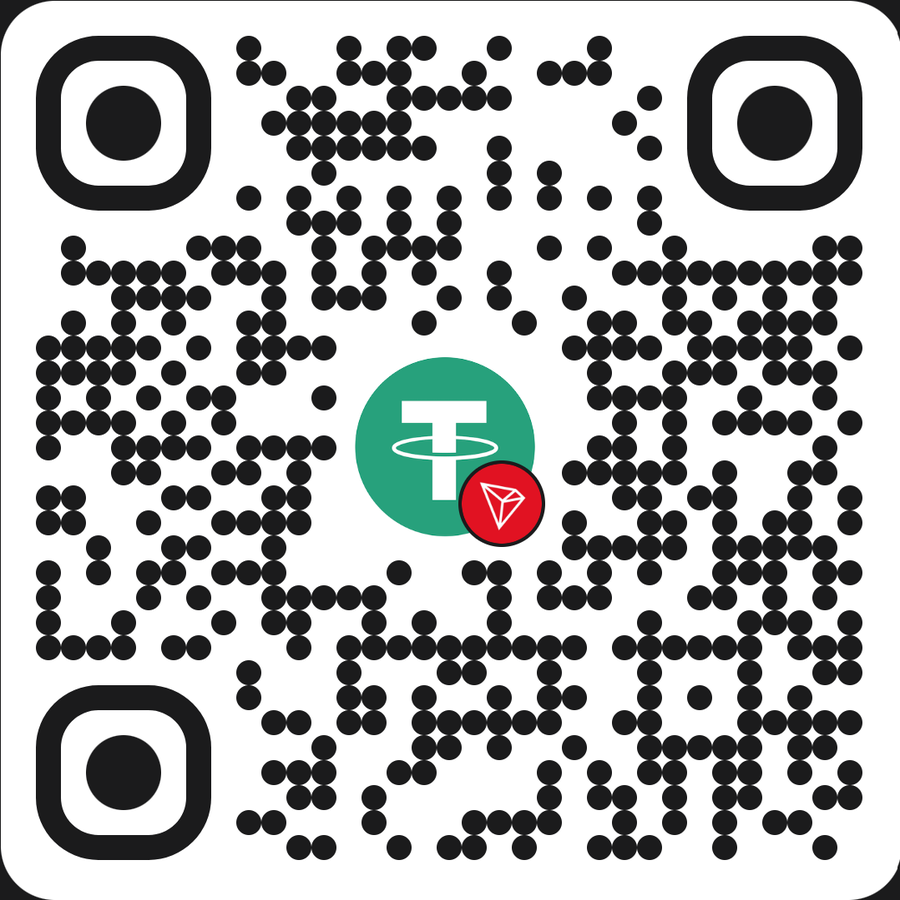
WALLET ADDRESS (TRC-20)
- 1. Send exactly 9 USDT on the TRON network (TRC-20). Other networks are not accepted — the funds would be lost.
- 2. Copy the TXID — the hash of your transaction from Tronscan.
- 3. Paste the TXID below — the on-chain check runs automatically and the kit opens right away.
PASTE THE TXID — THE KIT OPENS AUTOMATICALLY
Sign-in required: the kit opens on your Germanium account (sign in in the “already purchased?” block above).
THE KIT OPENS ON THE ACCOUNT THE TXID IS SENT FROM.
CHECKED ON-CHAIN, AUTOMATICALLY · NO NETWORK OTHER THAN TRC-20 IS ACCEPTED